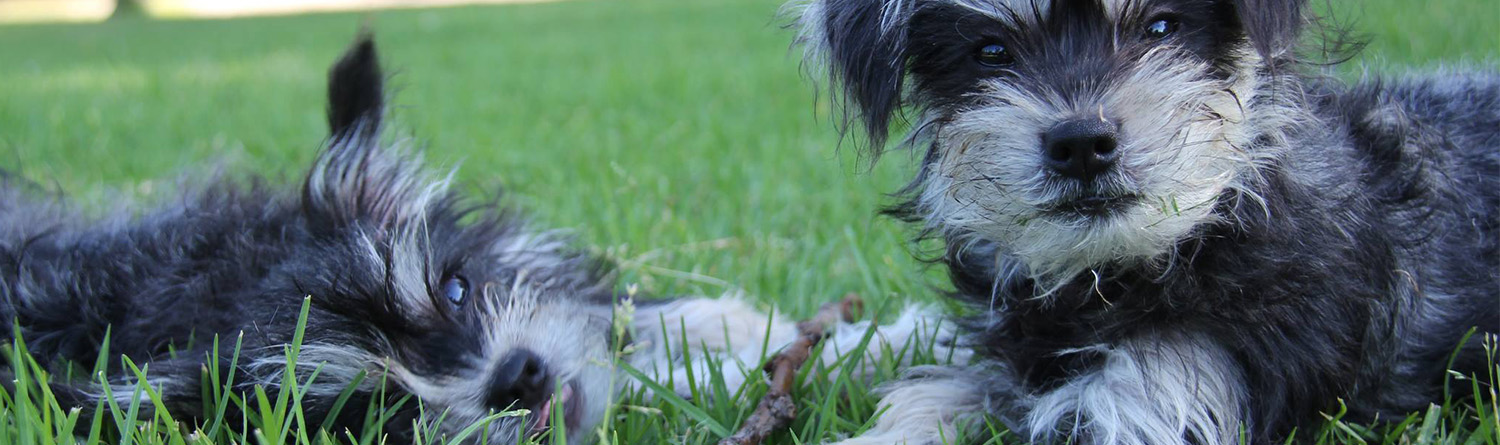
Dog cloning may sound like science fiction—but it’s very real and surprisingly simple when you break it down. Scientists have been cloning animals for decades, and today, dog cloning is a precise process based on solid science.
In this blog, we’ll explain how dog cloning works—step by step—without getting lost in complex jargon. Whether you’re curious about the process or considering cloning your own dog, this will give you a clear, simple overview.
🧬 What Is Dog Cloning?
Cloning a dog means creating a genetically identical copy of that dog. The cloned dog shares the same DNA, much like an identical twin born at a different time.
This process doesn’t copy memories or personality exactly—it copies genetic material, which determines things like appearance, temperament tendencies, and health traits.
🔬 The 5 Simple Steps of Dog Cloning
Here’s a simplified look at how scientists clone a dog:
1. Collecting the DNA
A small tissue sample (usually a piece of skin) is taken from the dog you want to clone. This is often done through a biopsy while the dog is alive or within 5 days after death.
The tissue contains somatic cells, which hold the dog’s complete DNA.
💡 Tip: You can store these cells in a lab for years—even if you’re not ready to clone yet.
2. Preparing an Egg Cell
An egg cell is taken from a donor dog. This dog contributes only the egg, not DNA. Scientists remove the nucleus of the egg, which holds the donor dog’s DNA, leaving behind an empty cell.
3. Transferring the DNA
Next, the DNA from your original dog is inserted into the empty egg cell. This creates a new cell with your dog’s DNA in it.
Then, the cell is given a small electric shock to stimulate it to start dividing—just like a natural embryo.
4. Embryo Implantation
Once the embryo has developed for a few days in the lab, it’s implanted into a surrogate mother dog, who carries the pregnancy.
The surrogate dog is carefully chosen and monitored to ensure her health and the health of the developing puppy.
5. Birth of the Cloned Puppy
After about 60 days, the surrogate gives birth to a puppy that is genetically identical to your original dog.
This puppy isn’t a resurrection—it’s a new life, but with the same DNA blueprint. Just like identical twins may have different experiences and personalities, cloned dogs can show differences too.
🧠 Is Cloning the Same as Copying a Personality?
Not exactly. Cloning copies DNA, not memories or experiences.
That means:
-
The cloned dog may look the same.
-
They may have a similar temperament.
-
But their personality will be shaped by how you raise them, their environment, and life experiences.
In other words, your cloned dog will be uniquely themselves, just like your original dog was.
🧪 Is Cloning Safe?
Yes—when done by a professional, experienced lab, dog cloning is generally safe. However:
-
Not every embryo becomes a healthy puppy.
-
The success rate varies between 20% to 40%.
-
Multiple embryos and surrogates may be used to ensure one healthy birth.
Cloned dogs usually live normal, healthy lives just like any other dog.
✅ Quick Recap: The Dog Cloning Process
| Step | What Happens |
|---|---|
| 1. DNA Collection | Tissue sample taken from your dog |
| 2. Egg Prep | Egg from donor dog, nucleus removed |
| 3. DNA Transfer | Your dog’s DNA inserted into the egg |
| 4. Implantation | Embryo implanted in surrogate mother |
| 5. Birth | A genetically identical puppy is born |
🐾 Final Thoughts
Dog cloning may sound high-tech, but it’s based on proven science. The process is carefully controlled, medically monitored, and designed to give families a second chance to experience the bond they loved so much.
Whether you choose to clone or not, preserving your dog’s DNA while they’re still alive gives you the freedom to decide later.
Want to preserve your dog’s DNA just in case?
Learn how our Cell Preservation Kits work at MyFriendAgain.com or download our free eBook:
📘 “A Pet Owner’s Guide to DNA Preservation & Dog Cloning”