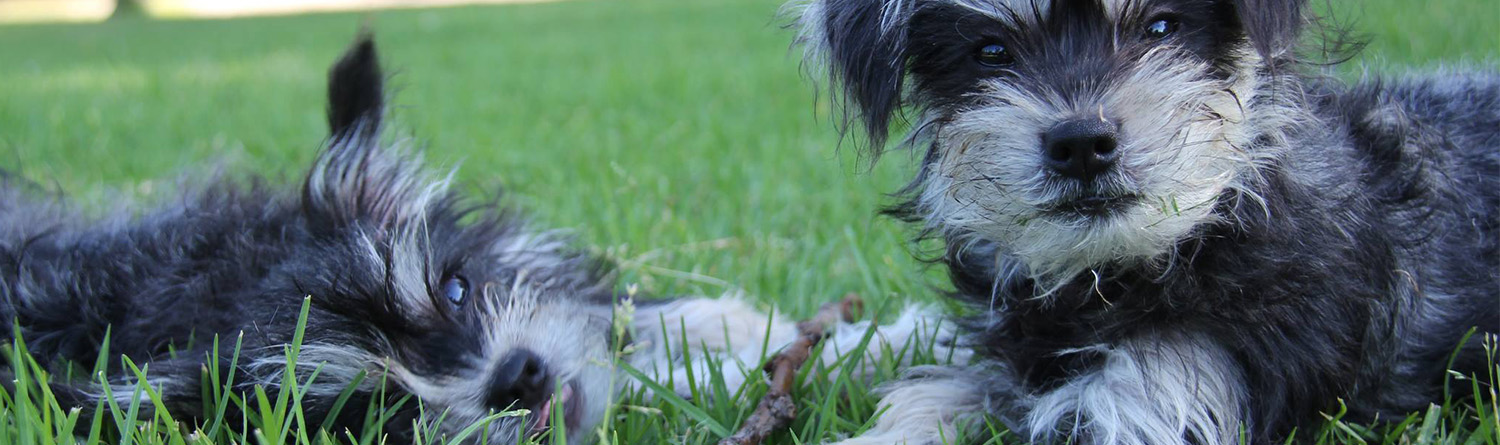
When people hear about dog cloning, they often think of science labs, DNA, and futuristic technology. But behind every cloned puppy is a living, breathing dog that makes it all possible: the surrogate mother.
Surrogate mothers play a vital role in dog cloning—and understanding their experience is key for anyone considering cloning their pet. In this post, we’ll walk you through what a surrogate does, how she’s cared for, and the ethical considerations you should keep in mind.
🐕 What Is a Surrogate Mother in Dog Cloning?
A surrogate mother is a healthy female dog that carries and gives birth to the cloned puppy. She is not genetically related to the puppy. Her job is to nurture the cloned embryo in her womb until the puppy is born.
In many ways, it’s just like a surrogate mother in human IVF procedures—except in this case, the embryo was created in a lab using another dog’s DNA.
🔬 How the Surrogacy Process Works in Cloning
Let’s break it down:
-
A DNA sample is taken from the dog to be cloned.
-
That DNA is placed into an egg cell (from a donor dog) that has had its own nucleus removed.
-
The result is an embryo that is genetically identical to the original dog.
-
This embryo is implanted into a surrogate mother.
-
The surrogate carries the pregnancy, gives birth, and nurses the cloned puppy until weaning.
❤️ The Care of Surrogate Mothers
Reputable cloning labs know that surrogate mothers are living beings who deserve proper care and respect. These dogs are:
-
Medically screened to ensure they are healthy and capable of pregnancy.
-
Provided with high-quality food, shelter, and veterinary support throughout the process.
-
Monitored closely during pregnancy and birth.
-
Given time to bond and nurse their puppies, just like natural moms.
After their time as a surrogate, many of these dogs are retired and adopted into loving homes.
⚠️ Ethical Concerns & Questions
While the science is fascinating, it’s also important to ask hard questions:
-
Are surrogates used multiple times?
-
Do they live in caring environments, or in kennel-like facilities?
-
Are they socialized, loved, and respected as pets?
Unfortunately, not all cloning providers prioritize animal welfare. That’s why asking questions about how surrogates are treated is so important when choosing a cloning company.
Look for companies that:
✅ Limit the number of pregnancies per surrogate
✅ Offer adoption after retirement
✅ Provide continuous medical and emotional care
✅ Keep dogs in home-like, enriched environments
🐾 How Many Surrogates Are Used?
Cloning is not always successful on the first try. Labs may need to:
-
Implant several embryos into one surrogate to increase the chance of success.
-
Use multiple surrogates to ensure at least one pregnancy goes full term.
This is why reducing the number of attempts—and prioritizing welfare over volume—matters.
🧠 Why It Matters to You as a Pet Owner
If you’re thinking about cloning your dog, it’s not just a science decision—it’s an ethical one. The wellbeing of the animals involved (including surrogates and egg donors) should be part of your consideration.
Ask cloning providers:
-
“What is your surrogate care protocol?”
-
“Are surrogates rehomed after their service?”
-
“How many pregnancies does each surrogate carry?”
Reputable companies will give you honest, transparent answers.
✅ Summary: The Role of Surrogates in Dog Cloning
| Role | Surrogate Mother’s Job |
|---|---|
| Embryo Carrier | Receives cloned embryo and carries pregnancy |
| Birth Mom | Gives birth to the cloned puppy |
| First Caregiver | Nurses and nurtures the newborn puppy |
| Living Being | Deserves full medical, emotional, and ethical care |
💬 Final Thoughts
Surrogate mothers are the unsung heroes of dog cloning. They make the miracle of cloning possible—and they deserve thoughtful, compassionate treatment every step of the way.
When done responsibly, dog cloning can honor your pet’s legacy without harming the animals involved. But it’s up to all of us—cloning companies and pet owners alike—to ensure that every animal in the process is treated with dignity and care.