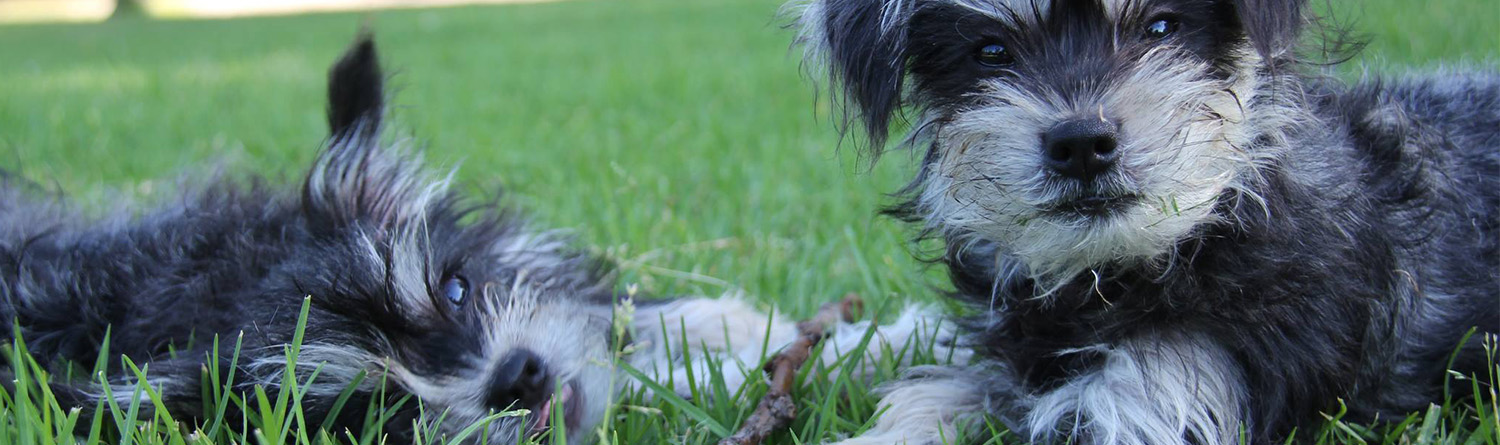
As dog cloning becomes more common and accessible, a growing number of people are asking important ethical questions—particularly about animal welfare.
What happens to the animals involved in cloning?
Is the process safe, humane, and ethical?
In this blog, we’ll take an honest look at how dog cloning impacts animal welfare—from the cloned dogs themselves to the surrogate mothers and donor animals involved in the process.
🧬 Understanding the Dog Cloning Process
Dog cloning is a scientific process called somatic cell nuclear transfer (SCNT). Here’s how it works, in simplified steps:
-
DNA is collected from the original dog using a skin tissue biopsy.
-
A donor egg is taken from another dog and its nucleus is removed.
-
The original dog’s DNA is inserted into the donor egg.
-
The egg is stimulated to develop into an embryo.
-
The embryo is implanted into a surrogate mother dog, who carries the pregnancy.
-
A genetically identical puppy is born.
This process can involve multiple animals, and that’s where animal welfare concerns come into play.
🐾 1. The Cloned Dogs Themselves
Welfare Outlook: Generally Good
Cloned dogs, once born, are typically healthy and live normal lifespans, especially when created by experienced labs. They undergo standard postnatal care, vaccinations, and socialization.
However:
-
Not all cloned embryos survive to birth.
-
Some puppies may be born with birth defects or fail to thrive.
-
Early cloning efforts had low success rates; modern techniques have improved considerably.
Responsible cloning labs carefully monitor and vet cloned puppies to ensure they are healthy before placement.
🐕 2. The Surrogate Mothers
Welfare Outlook: A Major Ethical Focus
Surrogate dogs are critical to the cloning process—they carry the embryo created from another dog’s DNA. Some people compare their role to that of a surrogate in human IVF.
Concerns:
-
Surrogates may undergo multiple pregnancies or procedures.
-
If not treated humanely, they could be kept in breeding conditions rather than family homes.
-
There are questions about how many surrogates are used per successful birth.
What Ethical Providers Do:
-
Limit the number of pregnancies per surrogate.
-
Use only healthy, well-cared-for dogs.
-
Provide high-quality medical and emotional care before, during, and after pregnancy.
-
Retire and rehome surrogates to loving families after their service.
It’s important to ask cloning companies how they treat surrogates and whether they follow animal welfare standards.
🧪 3. Egg Donor Dogs
Egg donor dogs provide the eggs used in the cloning process, and must undergo minor procedures to harvest their eggs.
Concerns:
-
The procedure requires sedation or minor surgery.
-
Welfare depends on aftercare and how often they are used.
Best Practices:
-
Limit the number of retrievals per donor.
-
Provide medical supervision and pain management.
-
Retire and rehome donor dogs after limited use.
Just like surrogates, donor dogs deserve ethical treatment, limited use, and lifelong care.
🔁 4. Cloning Efficiency and Animal Use
The cloning process is not 100% efficient—many embryos may be created for each successful birth. This means multiple donor eggs and multiple surrogates may be used.
However, with modern techniques:
-
Success rates have improved (estimated 20%–40% live birth rate).
-
Fewer animals are involved than in earlier years of cloning.
-
Ethical cloning companies strive to reduce animal use and improve efficiency.
The best labs operate with minimized animal involvement and maximize health outcomes.
⚖️ 5. Comparing to Traditional Breeding Practices
It’s worth noting that traditional dog breeding—especially in unethical settings like puppy mills—can involve:
-
Inbreeding and genetic disorders
-
Overbreeding of females
-
Poor living conditions
-
Lifelong suffering
Responsible cloning, while still ethically complex, may reduce some of the unpredictability and suffering seen in irresponsible breeding.
Cloning isn’t inherently more harmful—it depends on how it’s done.
🐶 Final Thoughts: Is Cloning Ethical for Animals?
Cloning raises real and valid questions about animal welfare—but the answer depends largely on the practices of the cloning company and how much they prioritize ethical treatment.
Before you clone a pet, ask the provider:
-
How are surrogates and donor dogs cared for?
-
Are animals retired and adopted out?
-
What’s the cloning success rate?
-
How many animals are used per clone?
When done responsibly, cloning can honor a beloved pet’s legacy without causing unnecessary harm—but transparency and ethical oversight are essential.
✅ Key Takeaways
-
Cloned dogs themselves generally live healthy lives.
-
Surrogates and donors must be treated ethically and given full care.
-
Responsible providers limit the use of animals and focus on welfare.
-
Ask detailed questions before choosing a cloning company.
-
The ethics of cloning depend not just on science—but on how animals are treated throughout the process.