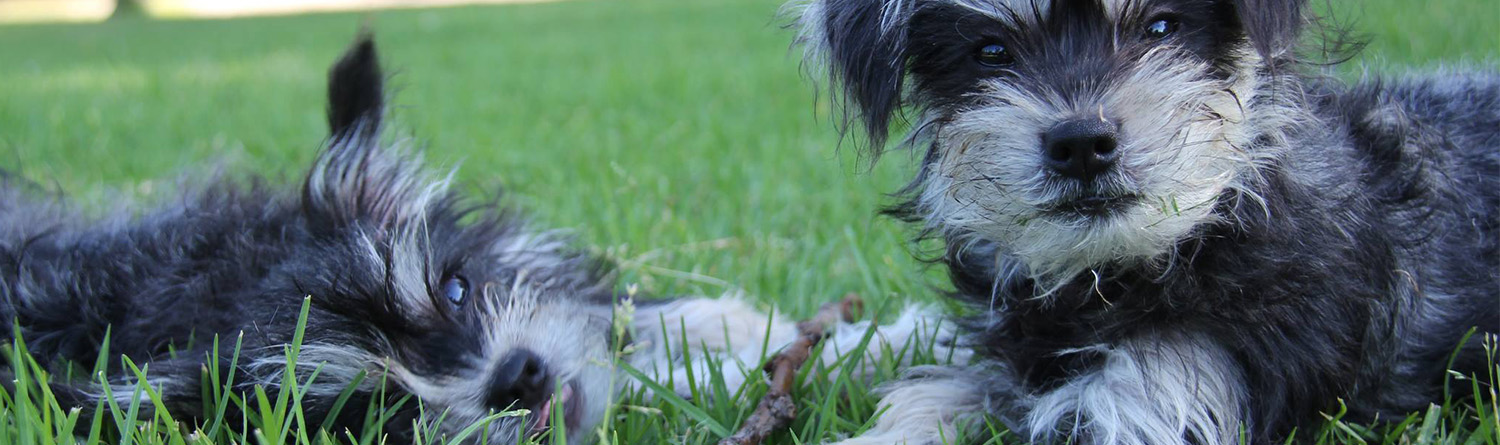
Pet cloning has evolved from a groundbreaking scientific achievement into a service that’s increasingly accessible to pet owners around the globe. But depending on where you live, the availability, legality, and cost of cloning your pet can vary dramatically. In this post, we explore how pet cloning compares around the world — from leading countries in biotechnology to places where it remains highly restricted.
🧬 The Global Rise of Pet Cloning
Cloning a pet involves creating a genetically identical copy of a dog, cat, or other animal using a process called somatic cell nuclear transfer (SCNT). While this science is relatively new, it has rapidly advanced since the first cloned dog, Snuppy, was born in South Korea in 2005.
Now, pet cloning is offered commercially in select countries, with a growing number of owners seeking to preserve the DNA of beloved companions for future cloning.
🇰🇷 South Korea: The Pioneer and Leader
South Korea is widely considered the global leader in pet cloning. After producing the world’s first cloned dog, South Korean scientists and biotech companies have remained at the forefront.
Key facts:
-
Companies like Sooam Biotech and Sinogene (with branches in China) offer pet cloning services internationally.
-
South Korea has cloned thousands of dogs, including pets, working dogs, and even police dogs.
-
The country continues to innovate in animal cloning and reproductive technology.
While cloning is legal and widely practiced, it has also faced criticism from animal rights advocates.
🇺🇸 United States: Innovation Meets Caution
In the U.S., pet cloning is legal and available, though it’s still relatively niche and expensive.
Key facts:
-
Companies like ViaGen Pets are licensed and FDA-compliant, offering cloning for dogs, cats, and horses.
-
U.S. regulations require stringent safety, veterinary oversight, and animal welfare practices.
-
Ethical debates persist, but growing interest has made cloning more visible in media and popular culture.
The U.S. market focuses heavily on bioethics, transparency, and customer education.
🇨🇳 China: A Fast-Growing Market
China is quickly becoming a major player in pet cloning, investing heavily in biotechnology and genetic engineering.
Key facts:
-
Companies such as Sinogene offer competitive pricing and high-volume cloning services.
-
The market is rapidly expanding due to high demand and fewer regulatory restrictions.
-
China is also cloning police dogs, racehorses, and even endangered species.
Compared to Western countries, China’s cloning industry operates with fewer barriers and greater government support.
🇪🇺 Europe: Strict Ethics and Limited Access
In most European countries, pet cloning is either banned, tightly regulated, or not available at all.
Key facts:
-
The European Union generally holds a conservative stance on cloning due to ethical concerns.
-
Cloning for agricultural or research purposes may be allowed under regulation, but pet cloning is rare.
-
Countries like Germany, France, and the UK either prohibit commercial cloning or lack infrastructure for it.
In Europe, animal welfare and ethics take precedence, often limiting access to cloning services.
🇧🇷 Brazil & 🇦🇷 Argentina: Emerging Interest in South America
South America is beginning to explore pet cloning, especially in countries with strong veterinary and biotech sectors.
Key facts:
-
Brazil and Argentina have cloned animals for agricultural purposes (e.g., cattle), and interest in pet cloning is growing.
-
Services are not widely available yet but are likely to expand in coming years.
-
Pet owners in these regions often ship tissue samples to cloning labs abroad, such as in the U.S. or Asia.
🗺️ Cloning Across Borders: Global Access
For many pet owners around the world, cloning is still possible by shipping biopsy samples internationally. Tissue preservation kits can be ordered from cloning providers, and samples can be stored long-term until the owner is ready to clone.
While cloning services may not be available in every country, global logistics and legal import/export procedures make cross-border cloning a reality.
⚖️ Ethical and Cultural Differences
Each country’s stance on pet cloning is shaped by a mix of:
-
Religious and cultural beliefs
-
Ethical frameworks around animal rights
-
Government regulation of biotechnology
-
Public perception of cloning
As public awareness grows, so does the conversation around the emotional, scientific, and moral dimensions of cloning pets.