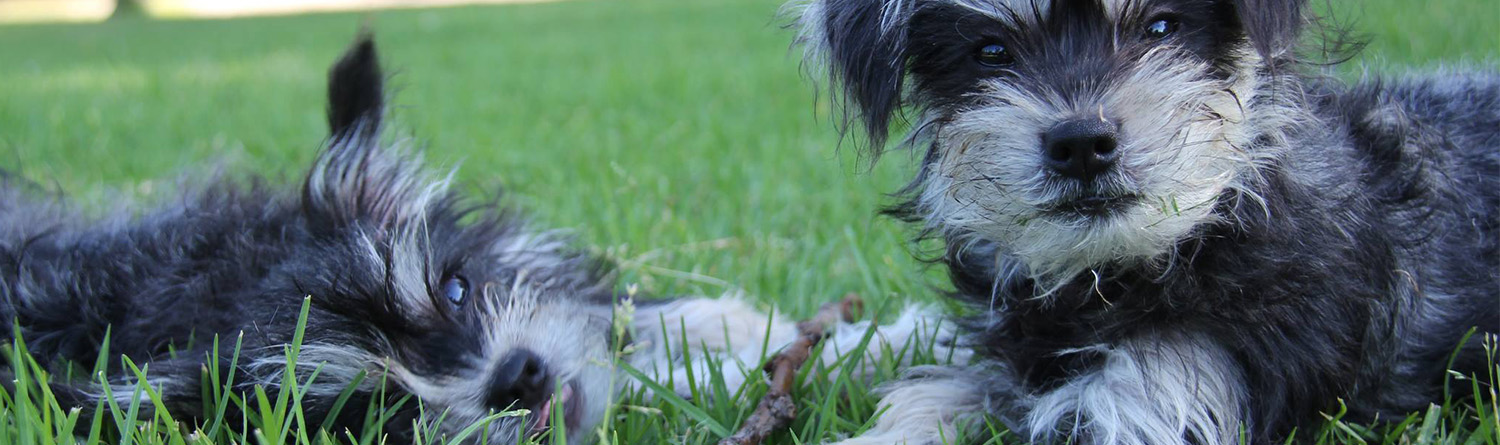
When a cloned puppy is born, it marks a powerful and emotional moment—especially for the pet owner who has waited months to see the genetic twin of their beloved companion. But what happens next?
The first 30 days of a cloned dog’s life are critical, not only for the puppy’s health and development, but also for confirming the success of the cloning process. In this blog, we’ll walk you through what happens during this delicate period, from birth to early milestones.
🐶 Day 1: The Birth of a Clone
The cloned puppy is born via C-section, delivered by a surrogate mother dog (not related to the original pet). The moment the clone is born, several important steps happen:
-
Vital signs are monitored: Breathing, heart rate, temperature, and physical responsiveness are all checked.
-
Umbilical cord care: Just like with any newborn puppy.
-
Initial bonding is limited: The clone is cared for by professionals, not the surrogate mother.
💡 Note: Surrogates usually don’t nurse cloned puppies due to bonding or behavioral mismatches. Human caretakers provide all early feeding and care.
🍼 Days 2–7: 24/7 Neonatal Care
The first week is crucial for survival. Cloned puppies receive intensive monitoring to ensure they’re developing normally:
-
Bottle or tube feeding every few hours
-
Controlled temperature environments
-
Sanitary isolation to reduce infection risk
-
Round-the-clock observation to check for signs of weakness or illness
Because cloning is a high-stakes biological process, every effort is made to ensure the clone gets the best possible start.
📈 Weeks 2–3: Eyes Open, Ears Open
During this period, the cloned puppy begins to hit typical developmental milestones:
-
Eyes open around Day 10–14
-
Ears open around Day 14–17
-
They begin to crawl, stretch, and respond to sounds and movement
-
Caregivers monitor motor skills and physical growth daily
Puppies are still fed regularly by hand and kept warm in controlled environments.
🧠 Week 4: Early Personality Emerges
By Week 4, the cloned puppy begins to display early signs of temperament and awareness:
-
Puppies start to walk more confidently
-
They interact with their caregivers, showing curiosity
-
Feeding shifts from bottle to a mix of formula and soft food
-
Social behaviors, tail wagging, and playful movements may appear
This is the stage where the puppy starts showing a hint of its unique personality, even though it shares the DNA of the original dog.
🧪 Health Monitoring and DNA Verification
During the first 30 days:
-
The puppy undergoes regular health checks: heart, lungs, bones, reflexes, digestion
-
Labs may conduct DNA testing to confirm the genetic match with the original dog
-
Veterinarians ensure the puppy is healthy enough to move into standard puppy care routines by the end of the month
🧳 What Happens After 30 Days?
Once the puppy passes the 30-day critical window:
-
They’re gradually weaned and begin eating solid food
-
They receive first vaccinations
-
Socialization and play increase
-
Eventually, they are cleared to travel to the pet owner’s home, typically between 8–12 weeks of age
📍 Final Thoughts
The first 30 days of a cloned dog’s life are incredibly important, not only medically but emotionally. It’s the period where life stabilizes, health is confirmed, and the foundations of a new bond begin.
While the process is carefully managed by professionals, by the end of this stage, the puppy begins to look and act just like any other—ready to grow, play, love, and become part of your family.