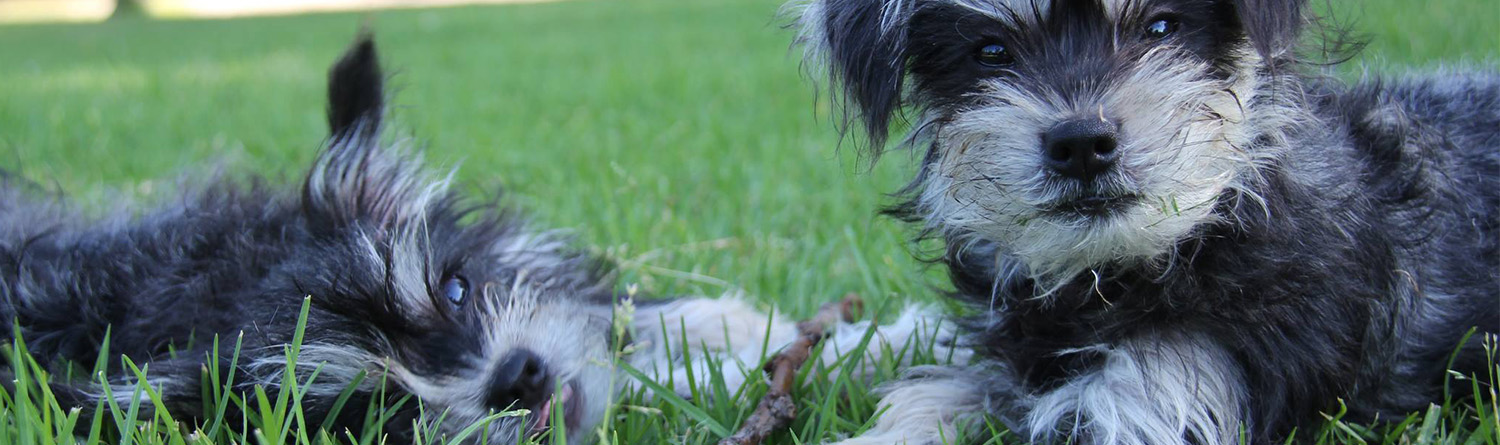
Two decades ago, the idea of cloning a beloved dog seemed like something out of a science fiction movie. Today, it’s a real—and increasingly accessible—option for pet owners around the world. The journey from experimental beginnings to modern-day pet cloning is a story of scientific breakthroughs, ethical debate, and emotional connection.
In this blog, we’ll explore how cloning has evolved over the past 20 years, from the earliest animal clones to today’s growing interest in dog cloning.
🧬 The Early Days: From Dolly the Sheep to Dog Cloning
Cloning entered the global spotlight in 1996 when scientists in Scotland successfully cloned Dolly the sheep—the first mammal cloned from an adult somatic cell. This breakthrough proved that cloning from mature DNA was possible and sparked curiosity about cloning other animals.
Fast forward to 2005, when South Korean scientists successfully cloned the first dog: an Afghan hound named Snuppy. This was a major milestone, as dog cloning had proven more complex due to canine reproductive biology.
At the time, dog cloning was highly experimental, with low success rates and few attempts worldwide.
🚀 Major Advances Over the Last 20 Years
1. Improved Cloning Techniques
Today, scientists use advanced versions of somatic cell nuclear transfer (SCNT)—a process where the DNA from a donor dog’s cell is inserted into a donor egg, which is then implanted into a surrogate mother.
Modern labs have:
-
Increased the number of viable embryos per procedure
-
Reduced cloning failure rates
-
Enhanced genetic screening to detect abnormalities early
2. Better DNA Preservation
Originally, cell preservation was difficult and time-sensitive. Now, biopsy kits and cryogenic storage have become highly efficient, allowing pet owners to store their dog’s DNA for decades before deciding whether to clone.
3. Higher Success Rates
Early attempts at dog cloning had very low success rates—sometimes fewer than 1 in 100 embryos resulted in live birth. Today, success rates are much higher (often 20–40% depending on the lab), making cloning more reliable and repeatable.
4. Wider Commercial Availability
What was once limited to university research labs has now become a commercial service available to pet owners. Leading biotech companies now offer cloning for:
-
Dogs
-
Cats
-
Horses
-
Endangered animals (in partnership with conservation groups)
Some services even offer multiple clones at once, as well as genetic banking with no obligation to clone immediately.
💵 Reduced Costs Over Time
When dog cloning first became available, it cost over $100,000. Today, cloning a dog typically costs between $50,000–$70,000, and many companies offer financing plans. DNA storage, meanwhile, can be done for a few hundred dollars—a small investment to keep future options open.
🐾 Growing Public Interest and Emotional Connection
In the last decade, stories of celebrities cloning their pets have gone viral. Barbara Streisand, for example, famously cloned her dog twice. This kind of media exposure has normalized the idea of cloning—not as a “science experiment,” but as a personal decision tied to grief and love.
As a result, more pet owners are exploring:
-
Cell preservation long before end of life
-
Ethical questions around cloning
-
The emotional role of clones in grieving
🧠 Advances in Genetic Screening and Health Monitoring
New technologies like genetic sequencing and epigenetic testing allow scientists to:
-
Detect potential genetic defects before implantation
-
Monitor clone health with more accuracy
-
Understand how cloned animals age and develop
This has dramatically improved the overall wellbeing of cloned pets.
🌍 What’s Next for Cloning?
Looking ahead, cloning may become even more advanced and accessible. Areas of ongoing research include:
-
Improved cloning of older DNA samples
-
Gene editing during the cloning process
-
Cross-species cloning for endangered animals
-
Using AI to predict clone health outcomes
As technology evolves, so too will our understanding of how cloning can serve not just individuals—but conservation, agriculture, and medicine.
🐶 Final Thoughts: From Science Fiction to Family Decision
In just 20 years, dog cloning has evolved from a theoretical experiment to a real option for families wanting to preserve a piece of their beloved pet. It’s no longer just about pushing the limits of science—it’s about deep emotional bonds, personal legacy, and the future of pet companionship.
Whether you’re simply curious, considering DNA preservation, or actively thinking about cloning, understanding how far we’ve come helps put the process—and the possibilities—into perspective.