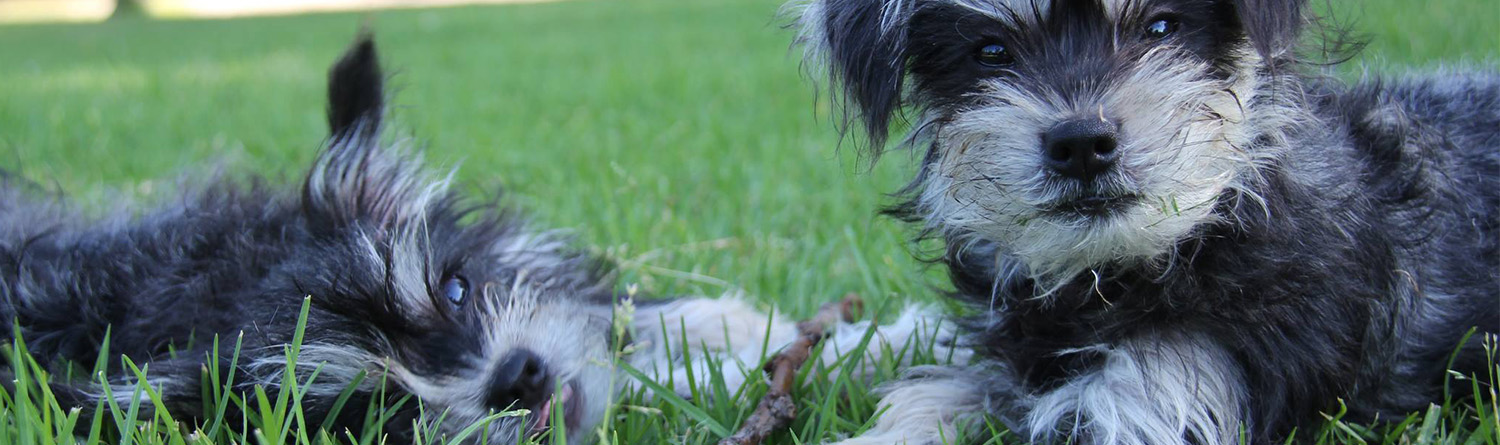
When people hear about dog cloning, one of the most common questions is: “Isn’t that just like breeding?”
While cloning and breeding both result in puppies, they are scientifically, genetically, and emotionally very different processes. Understanding these differences can help pet owners decide which path—if any—is right for them.
1. What Is Dog Breeding?
Dog breeding is the traditional method of reproduction involving:
-
A male and a female dog
-
A mix of genetic traits from both parents
-
Natural or assisted mating (like artificial insemination)
Key result:
Every puppy is genetically unique, even within the same litter.
Breeding can:
-
Preserve certain traits
-
Improve or worsen health conditions
-
Produce unpredictable appearances and personalities
2. What Is Dog Cloning?
Dog cloning is a scientific process that creates a puppy with the same DNA as the original dog.
The process involves:
-
Preserving cells from the original dog
-
Transferring the DNA into a donor egg
-
Implanting the embryo into a surrogate mother
Key result:
The cloned puppy is a genetic twin of the original dog.
3. Genetic Differences: Cloning vs. Breeding
| Feature | Breeding | Cloning |
|---|---|---|
| DNA Match | ~50% from each parent | 100% DNA match |
| Appearance | Unpredictable | Nearly identical |
| Personality | Variable | Influenced by environment |
| Health Traits | Mixed | Same genetic predispositions |
While a cloned dog shares the same DNA, personality is still shaped by training, environment, and experiences.
4. Purpose: Why People Choose Each Option
People choose breeding to:
-
Produce puppies for companionship or sale
-
Combine traits from two dogs
-
Continue bloodlines traditionally
People choose cloning to:
-
Preserve a beloved dog’s exact genetics
-
Replicate rare or exceptional traits
-
Maintain working, service, or champion dog lines
-
Keep a genetic legacy after a dog has passed
Cloning is often deeply emotional—it’s not about replacing a pet, but continuing their genetic story.
5. Ethical and Emotional Considerations
Breeding involves:
-
Population concerns
-
Overbreeding risks
-
Genetic health variability
Cloning raises questions about:
-
Cost and accessibility
-
Scientific involvement
-
Emotional expectations
However, many owners find comfort knowing cloning:
-
Does not harm the original dog
-
Uses advanced veterinary oversight
-
Allows cell preservation before it’s ever needed
6. Can Cloning and Breeding Work Together?
Yes. Some owners clone a dog and later:
-
Breed the clone naturally
-
Preserve genetics for future generations
-
Maintain consistency in working or show dogs
This makes cloning a genetic preservation tool, not a replacement for breeding.
7. Which Option Is Right for You?
Ask yourself:
-
Do I want a genetic continuation or a new mix?
-
Is preserving my dog’s exact DNA important?
-
Am I planning ahead or responding to loss?
If preserving genetics matters, cell preservation is the first and most critical step—even if you’re unsure about cloning yet.
Final Thoughts
Breeding creates variety.
Cloning preserves identity.
Both serve different purposes, but only cloning allows you to safeguard your dog’s unique DNA forever.