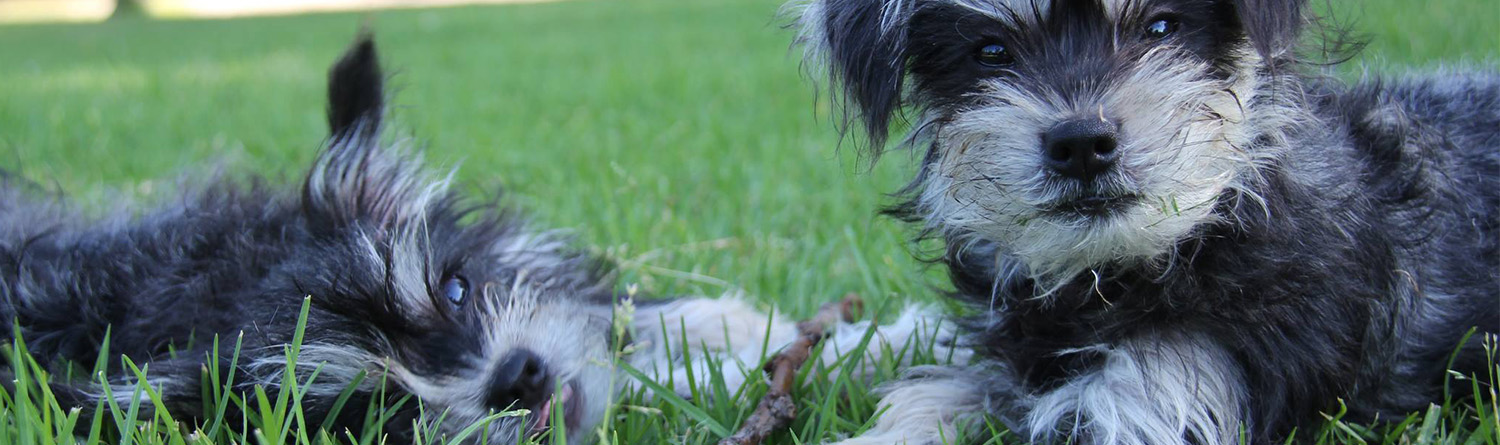
As dog cloning becomes more widely discussed, it’s also surrounded by a fair share of myths and misunderstandings. The idea of bringing back a beloved pet through cloning stirs up curiosity—but also confusion.
In this blog, we’ll break down the most common misconceptions about dog cloning, separate fact from fiction, and give you a clearer picture of what cloning really is (and what it isn’t).
❌ Misconception #1: A Cloned Dog Is Exactly the Same as the Original in Every Way
Reality: A cloned dog shares the same DNA as your original dog, but it will not be an exact replica in behavior or personality.
-
Genetics influence traits like appearance and some behaviors.
-
Personality is shaped by environment, training, and experience.
-
Just like identical twins, clones can develop their own unique quirks.
Think of it this way: A cloned dog is like an identical twin born at a different time—not a carbon copy of the past.
❌ Misconception #2: You Can Clone a Dog Using Just Hair or Fur
Reality: Fur does not contain the living cells needed for cloning.
To successfully clone a dog, scientists need viable cells with intact DNA—typically obtained through a skin or tissue biopsy. These cells are usually taken from:
-
The inner thigh or abdomen of a living dog
-
A recently deceased dog (ideally within 5 days of passing and kept refrigerated)
Fur, ashes, teeth, and nails cannot be used for cloning.
❌ Misconception #3: Dog Cloning Is Unethical by Default
Reality: Ethics around dog cloning depend on how the process is managed and the intentions behind it.
While some critics argue cloning is unnatural, many others view it as a way to preserve a deep emotional bond with a one-of-a-kind companion.
Reputable cloning labs:
-
Follow strict animal welfare protocols
-
Use experienced surrogate mothers and veterinary staff
-
Limit the number of attempts and prioritize animal health
Cloning is a personal decision, and not inherently unethical—especially when handled responsibly.
❌ Misconception #4: Cloning Replaces the Grieving Process
Reality: Cloning may provide emotional comfort, but it doesn’t replace the love or memories tied to the original dog.
Some people choose cloning as part of their healing process. Others may feel disappointed if the cloned dog doesn’t behave the same way. It’s important to:
-
Be emotionally ready to love a new life
-
Avoid seeing the clone as a “replacement”
-
Understand that grief is still a natural part of the journey
A cloned dog can be a continuation of love, not a copy-paste of the past.
❌ Misconception #5: Cloning Is Guaranteed to Work on the First Try
Reality: Cloning is a complex biological process and may require multiple attempts.
-
Not every embryo develops into a healthy puppy on the first try.
-
Success rates are high over time, but cloning companies may need to try multiple embryos and surrogates.
-
Reputable providers often include repeated attempts in their service guarantee.
With modern technology, over 90% of cloning cases eventually result in a healthy puppy—but patience is key.
❌ Misconception #6: You Have to Decide Now Whether to Clone
Reality: You don’t need to decide today—you just need to preserve your dog’s cells while they’re still alive or shortly after death.
-
Biopsy kits are available for early preservation.
-
You can store the cells for years or decades and make your decision later.
-
Cloning is only possible if cells are preserved properly and in time.
Preserving the option doesn’t mean you’re committed to cloning—it just means you won’t lose the chance.
🐾 Final Thoughts
Dog cloning is a fascinating blend of science, emotion, and choice. But it’s also often misunderstood. By clearing up these common misconceptions, you can make a more informed, confident decision about whether cloning is right for you and your pet.
Whether you choose to clone or not, understanding the reality behind the process empowers you to approach it with clarity—not confusion.